Timeless Elegance: Using Vintage Fashion Illustrations in Modern Projects
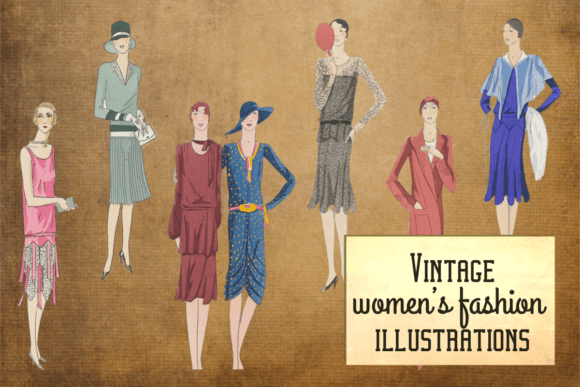
There’s a specific quality to early 20th-century fashion illustration that modern photography often misses. It’s the graceful sweep of a fabric fold, the confident line defining a silhouette, the subtle suggestion of texture through pen and ink. These Vintage Women’s Fashion Illustrations capture that essence perfectly. Extracted from copyright-free magazines of the 1900s, these images carry a distinct personality: they are elegant, detailed, and possess a hand-drawn authenticity that feels both nostalgic and surprisingly versatile.
What you're getting isn't just a scan. Each of the six illustrations has been meticulously isolated, with the background removed by hand to create a clean, transparent PNG file. This process is crucial. It means the figures aren't trapped in a dated page layout; they are free-standing design assets ready for immediate use. The high-resolution 300 DPI ensures they remain sharp whether you're working on a small journal sticker or a large-format print.
More Than Just Scrapbooking: A Versatile Design Asset
While these illustrations are perfect for personal craft projects like scrapbooking and bullet journaling, their utility extends far beyond. Think of them as a unique form of creative font—a visual typeface with its own voice. For designers, marketers, and entrepreneurs, they offer a way to inject sophistication, heritage, and a human touch into a project.
Consider a brand identity for a boutique clothing label, a high-end cosmetics company, or a vintage-inspired tea room. These illustrations can become a cornerstone of the visual hierarchy. Use a single figure as a central motif on a logo, or as a recurring pattern in packaging design. In editorial design, they can break up text-heavy pages in magazines or blogs, adding visual interest and a thematic link to fashion history. For social media graphics, they provide instantly recognizable, scroll-stopping imagery that feels curated and intentional.
The transparent background is the key to their flexibility. You can layer them over textured paper, solid colors, photographs, or complex patterns without a clumsy white box interrupting the composition. This allows for seamless integration into digital web design elements, printed stationery, or even textile patterns.
Integrating Vintage Charm with Modern Typography
The real magic happens when you pair these illustrations with the right typefaces. This is where font pairing becomes essential. The illustrations have a delicate, linear quality that can be complemented or contrasted effectively.
- With Serif Fonts: Pairing them with a refined serif font like Playfair Display or Cormorant Garamond creates a unified, classic aesthetic. This combination works beautifully for wedding invitations, luxury product tags, or book covers where elegance and readability are paramount.
- With Sans Serif Fonts: For a more contemporary feel, contrast the vintage illustrations with a clean, geometric sans serif font like Montserrat or Futura. This juxtaposition highlights the illustration's age while keeping the overall design feeling fresh and modern. It's a great strategy for brand identity systems that want to nod to history without feeling stuck in the past.
- With Script Fonts: Use a script font sparingly for headings or accents. A flowing, elegant script can echo the fluid lines of the illustrations, but be mindful of readability. The illustration provides enough ornate detail; the typography should support, not compete.
This approach to modern typography allows you to build a rich visual narrative. The illustration provides the character and historical context, while your chosen typeface grounds the project in a specific contemporary tone—whether that's minimalist, romantic, or boldly artistic.
Practical Application: From Concept to Final Project
Let's walk through a practical example. Imagine you're creating a series of social media posts for a small business owner selling handmade jewelry. The brand's story is about timeless craftsmanship.
- Choose Your Illustration: Select a fashion illustration that best matches the jewelry style—perhaps a figure wearing a prominent necklace or elegant gloves.
- Set the Stage: Place the illustration on a solid background color from your brand palette. The transparent PNG makes this effortless.
- Add Typography: Overlay a compelling quote about craftsmanship or a product description using a premium font that reflects your brand. A strong display font for the quote and a simple sans serif for the body text will create clear hierarchy.
- Consider the Composition: Use the illustration's line of sight or gesture to guide the viewer's eye toward the text or a product photo you can layer beside it.
This method works because it's efficient and builds visual consistency. The same illustration, or others from the set, can be used across your website, printed lookbook, and email headers, reinforcing brand recognition through a consistent visual element.
A Note on Licensing and Final Thoughts
As with any design asset, always verify the specific usage rights. These are sourced from copyright-free material, but it's good practice to understand if the license covers commercial use for your intended project, especially for items you plan to sell. The clarity of the PNG files and their high resolution make them a professional-grade resource. They eliminate the tedious background removal step, letting you focus on the creative work of composition and pairing. In a landscape saturated with generic stock imagery, these Vintage Women’s Fashion Illustrations offer a distinctive, authentic voice that can elevate a design from ordinary to memorable.