Timeless Elegance: Using Ornate Insect Illustrations
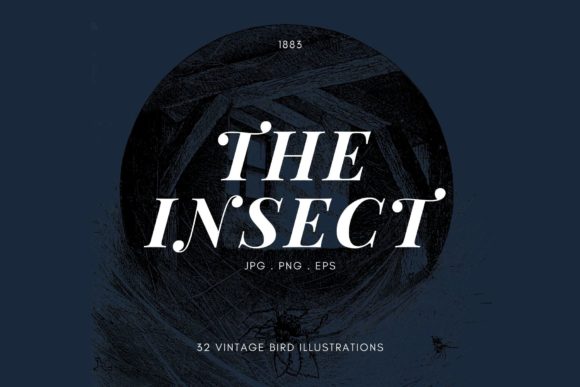
There is a specific kind of visual storytelling that captures the intersection of science and art, and that is exactly what you find in this collection of Ornate Insect Illustrations. This set is not just a random assortment of bugs; it is a curated archive derived from a book published in 1883. The imagery captures the Victorian fascination with the natural world, rendered with the precision of scientific observation but framed with the decorative sensibilities of the era. For designers and creators, this means access to assets that carry immediate historical weight and visual sophistication without needing heavy manipulation.
The defining characteristic of this collection is its intricate detailing. When you look at the illustrations, you see more than just the anatomy of a beetle or a butterfly. You see the "ornamental" aspect mentioned in the original description—scrollwork, precise linework, and a level of texture that modern vector art often lacks. The illustrations have been digitally enhanced and fully vectorized into .EPS formats, which is a massive advantage for modern workflows. You get the charm of 1883 with the scalability of 2024. Whether you are scaling the image for a massive trade show banner or shrinking it for a favicon, the line integrity remains perfect. This blend of vintage aesthetic and modern technical capability makes them incredibly versatile design assets.
Visual Personality and Aesthetic Appeal
Understanding the personality of these illustrations helps determine where they fit best. This is not flat, corporate clipart. These images evoke a sense of curiosity, vintage luxury, and organic complexity. The visual style leans heavily into the "steampunk" or "dark academia" aesthetic without being cliché. There is a natural elegance here that works beautifully for brands trying to project an image of craftsmanship and attention to detail.
For those working in editorial design, these illustrations offer a way to break up dense text blocks without using generic stock photos. Imagine a magazine spread about sustainable farming or a blog post about mindfulness in nature; a detailed dragonfly illustration in the margin adds a layer of visual interest that feels premium. In packaging design, particularly for artisanal goods like coffee, chocolate, botanical gins, or high-end soaps, these insects serve as powerful symbols of nature and purity. They signal to the consumer that the product inside is crafted with care, much like the illustration itself.
Strategic Applications for Branding and Marketing
When we talk about brand identity, consistency is key, but distinctiveness is the goal. Using Ornate Insect Illustrations can help a brand stand out in a crowded market of minimalist logos and sans-serif typography. For a boutique agency or a creative studio, incorporating a stylized beetle into a watermark or a letterhead can become a memorable signature mark. It moves a brand away from the sterile "tech" look and towards something more human and tactile.
In the realm of social media graphics, stopping the scroll is the primary objective. These high-contrast, detailed images work exceptionally well as backgrounds for text overlays. Because the illustrations are ornamental, they provide a rich texture that makes white or bold typography pop. For web design, these assets are excellent for creating a unique visual language. Instead of using standard icons, a web designer might use vectorized insect motifs to represent "growth," "transformation," or "precision" in an "About Us" section. This level of customization elevates the user experience and signals to the audience that the brand cares about the finer details.
Integrating Historical Assets into Modern Workflows
One of the practical challenges designers face is matching historical assets with modern typography. You cannot pair a delicate, intricate Victorian illustration with a heavy, geometric display font and expect harmony. The key is balance. If the illustration is the star of the show, the typeface should support it, not fight it. A clean sans serif font often works surprisingly well here, providing a modern counterpoint to the vintage imagery. Conversely, a refined serif font with high contrast can lean into the historical vibe, creating a cohesive, editorial look.
However, be cautious with script fonts or overly decorative handwritten fonts. Since the insect illustrations are already "ornate," adding a script font can result in visual noise where neither the text nor the image is readable. The goal is visual hierarchy. The illustration should set the mood, and the typography should deliver the message clearly. Always test your font pairing by viewing the layout at a distance or on a mobile device to ensure the complexity of the illustration doesn't swallow the text.
Practical Guide to Using the Collection
The package includes 32 unique designs provided in three formats: .JPG, .PNG, and .EPS. This variety allows for maximum flexibility. The .PNG files are likely your go-to for quick digital work, such as social media posts or PowerPoint presentations, as they likely feature transparent backgrounds that allow the insects to be placed over any color or image. The .EPS files are essential for professional print work. If you are creating a logo or a large-format print, you must use the vector format to ensure the lines remain crisp.
Here is a practical workflow for incorporating these assets:
- Evaluate the Context: Before choosing an illustration, look at the "vibe" of your project. Is it dark and moody? Use a high-contrast beetle. Is it light and airy? A dragonfly or moth might work better.
- Color Adaptation: While the original 1883 book was likely monochrome, the vectorized .EPS files allow you to change colors easily. Consider using a monochromatic color scheme (varying shades of one color) to keep the look sophisticated.
- Layering and Texture: Don't just place the image on a white background. Try using the illustration as a watermark at 10% opacity behind a headline to add depth to your editorial design.
- Commercial Licensing: Always double-check the specific licensing terms provided with the set. While digital assets are convenient, ensuring you have the rights for commercial reproduction (like on merchandise) is a step you cannot skip.
Final Thoughts on Visual Impact
In a digital landscape that often feels ephemeral and disposable, there is a growing appreciation for assets that feel grounded in history. These Ornate Insect Illustrations are more than just pictures of bugs; they are a bridge between the analog past and the digital present. They offer a way to inject personality, sophistication, and a touch of the natural world into projects ranging from logo design to personal art prints. By leveraging the high-quality vector formats provided, you can ensure that these 19th-century designs serve your 21st-century creative needs with clarity and impact.